How to Utilize Visual Schedules to Relieve Stress and Improve Routines | Autizum
Visual schedules are a powerful tool for autistic children. Discover how to use visual supports to improve routines, reduce anxiety, increase independence, and support transitions. Practical examples for home, school, toileting, and community outings—by Autizum.
How to Utilize Visual Schedules to Relieve Stress and Improve Routines Autizum
Autism-related children thrive on routine as well as predictability and clarity. If routines are disrupted, or expectations are not clear anxieties and difficult behaviors could quickly ensue. That's the reason visual calendars have been deemed to be one of the most effective methods in both school and home environments for children who are on the spectrum. Parent training in aba:
Here at Autizum we've witnessed how a simple schedule can change the day of a child, making chaos calmer and uncertainty into confidence. In this article we'll discuss the ways that visual schedules work, the reasons they're efficient and offer examples of practical examples of visual schedules for autism that will help develop an appropriate one to your kid Parent training in aba: For more information, visit our our Parent Training program.
What is an Visual Schedule?
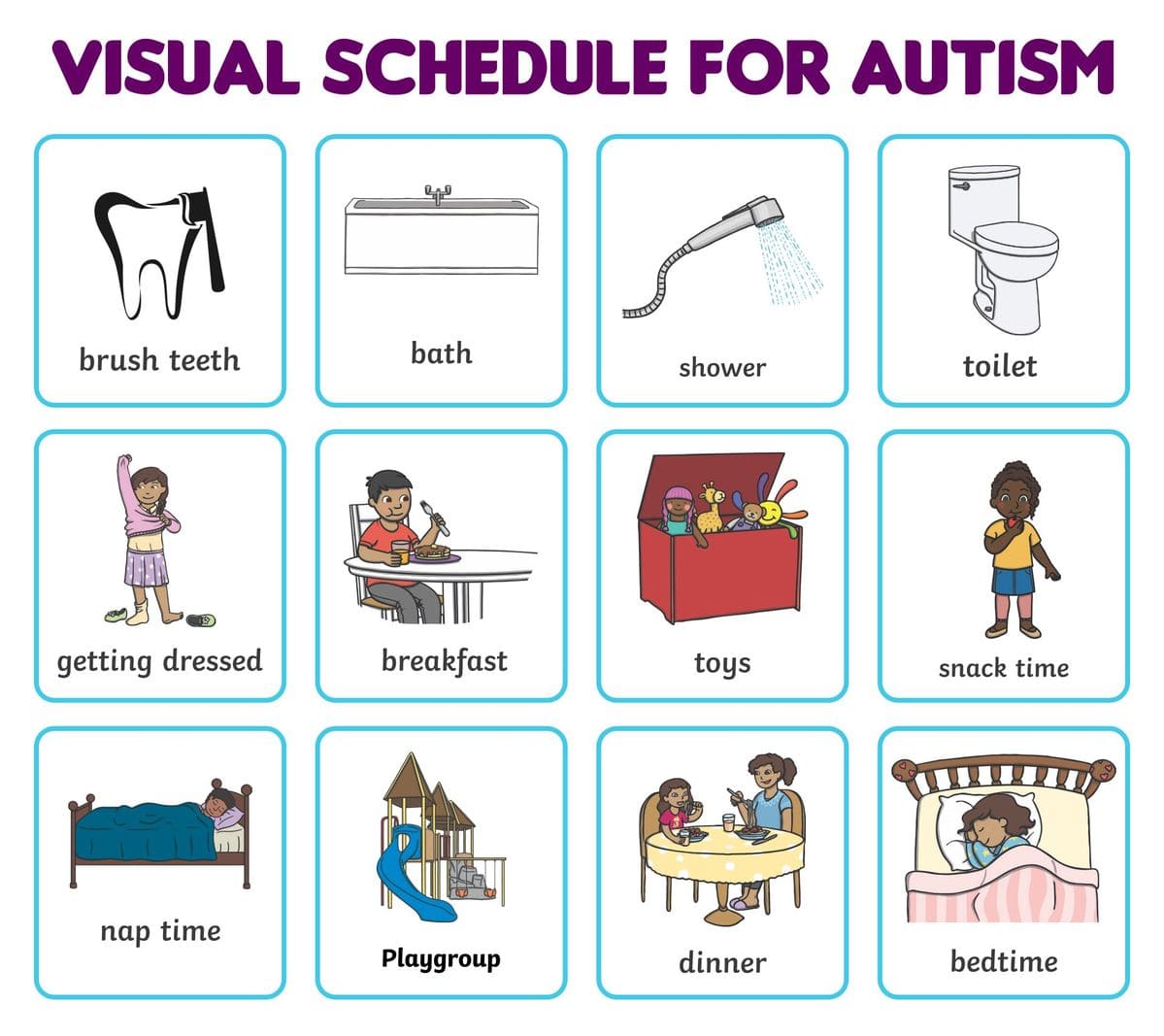
Visual schedules are a Visual plan is a logical representation of the daily routine, presented using images, icons or words written. It aids children in understanding the next steps and what they can expect from them.
For many children who have autism processing instructions in a verbal manner can be difficult. Visuals give clear, tangible signals that aid in preparing for changes and lessen anxiety. Manage Sensory Overload in Public Places
Example:
A morning visual schedule might include:
Wake Up - Brush Teeth - Breakfast - Pack Bag - Go to School
Visual cues help ensure routines are predictable and provide children an illusion of controlwhich reduces anxiety and improves concentration.
What is the reason Visual Schedules work for children with Autism
The effectiveness of visual calendars is supported by ABA theories and research on developmental development.
This is why they're so effective:
1. Predictability reduces anxiety
Children with autism are often afflicted with anxiety when they do not know what's to come next. A visual plan of action provides clear expectations, which helps them feel confident and at ease.
2. Helps with Communication
Visuals help bridge the gap between children who aren't verbal or who have limited expressive language. They help children comprehend and communicate routines without the need for complex words.
3. Encourages Independence
If they are consistent, they are able to follow the program independently, increasing confidence and self-reliance.
4. Facilitates Transitions Between Activities
Changes (e.g. transitions from bath time to playtime) can cause distress. Visual cues make these transitions easier and more regular.
5. Increases focus and Task Completion
By visualizing routines breaking them down into manageable steps, children are able to better manage and complete each task and not feel overwhelmed.
In Autizum Our therapists integrate visual schedules into a variety of ABA programs specifically for self-care, adaptive and academic skills.
Visual Schedule Autism Examples (by setting)
Visual schedules can be found in a variety of types, from laminated cards with pictures to apps for smartphones. Here are some practical images of autism visuals that are adapted to various environments.
1. The Morning Routine (Home Use)
Children are often struggling with the morning routine. A clear visual pattern can help them stay on track without constant verbal cues.
Examples of Schedules:
Wake Up - Brush Teeth Dress - Eat Breakfast Pack Bag - Go for school
You could use magnetic boards, Velcro cards, or printed icons. Instruct your child to get rid of each card once they have completed the task, which will give them an appreciation of their accomplishment.
2. Class or School Schedule
In classrooms Visual schedules provide order to the day and help reduce anxiety in the classroom. Teachers can use large charting of the entire class or create individual desk plans.
Examples:
Reading Time Snack - Writing Recess - Art & Art - Dismissal
Visual timers as well as finished bins aid students know when their work is done and what's next.
3. School-related routines after school
After school, children usually require a well-planned visual plan to assist them in their move from school to their home lives.
Example:
Arrive Home - Snack - Homework - Playtime - Bath - Bedtime
we train parents to mix ABA techniques for reinforcement with visual schedulessuch as the reward or praise for the completion of tasks to increase confidence and motivation.
4. Community Outings Schedule
Public spaces can trigger sensory overload. Visualized schedules for portable devices (on cards or on mobile devices) aid children in navigating changes with ease.
Examples:
Drive to the store - Shop for groceries - Buy a treat Return home
Digital schedules and keychains for portable keychains on a tablet are perfect for travel and outings.
5. Toilet Visual Training Plan
Toileting can be a complicated multi-step process for children with autism. Visual aids make the process easier and help reinforce the process of consistency.
Examples:
Sit on the toilet - pee - Wipe - Hands Clean - All done!
Autizum's ABA Therapists typically make use of laminated bathroom charts to aid children in learning how to use toilets by the repetition of positive reinforcement and.
Tips to create efficient Visual Scheduling
If you're creating your own system or employing a pre-designed system, be sure to keep these helpful suggestions in your head:
1. Start Simple
Start with 3-5 steps to establish the routine. When your child is at ease you can expand the routine.
2. Make Use of Real Pictures Whenever Possible
Photos of familiar faces objects, locations, or people tend to be more meaningful than clip art that is generic.
3. Engage Your Child
Allow your child to help design or embellish the schedule. This will increase their involvement and pride.
4. Be Consistent
Make the schedule a habit and make sure to refer to it regularly. The consistency of the schedule builds trust and increases predictability.
5. Reinforce Success
The schedule should be accompanied by the positive encouragement such as stickers, praise or small rewards to encourage you to stick with it.
6. Gradually diminishing support
As your child grows independent, reduce the dependence on the visual calendar until the routine becomes effortless.
Autizum Tip: Use visual schedules in conjunction together with token boards or First/Then charts to provide a structured way of motivating for challenging tasks.
Common Errors to Avoid
While visual schedules are straightforward to utilize, a few common mistakes can hinder their effectiveness:
- A schedule that is too complex or unorganized
- The routines of the user are constantly changing.
- It is not clear how to apply it regularly
- Disregarding the sensory preferences (e.g. the color, texture or the display type)
Autizum Autizum we teach educators and parents to tailor visual schedules that are suited to the child's unique learning style making sure that they are successful in every environment.
Benefits that go beyond the Classroom
Visual schedules aren't only meant for schools. They can help kids manage their daily changes, from bedtime routines to family outings.
Parents who employ visual supports at home frequently are able to report:
- Less power struggles and meltdowns
- Greater cooperation
- Family routines that are improved and harmony
Through integrating visual tools into your daily activities, you allow your children with the confidence to move through life certainty.
How Autizum Can Help
we offer customized ABA programs that incorporate strategies for autism with visual schedules to increase independence and decrease anxiety.
Our Therapists:
- Conduct assessments to determine the best visual tools for each child.
- Develop customized visual support to be used at home, in school as well as therapy settings
- Teach parents and teachers the continuous implementation
- Combine visual schedules and reinforcement systems to ensure long-term results.
We believe that every child has the right to feel secure, calm and at ease with their life. visual supports are among the most effective ways to help achieve that.
Conclusion
Visual schedules aren't images on walls they're powerful tools for communication that help improve understanding, decrease anxiety and help build confidence.
Utilizing the correct visual examples of a schedule for autism parents and teachers can establish predictable routines to can help children flourish.
we empower professionals and parents with the instruments and information to turn visual aids into lasting improvements. By combining discipline, patience, and imagination, every child can have a more enjoyable happy day.
Frequently Asked Questions
Get answers to common questions about our ABA therapy services.