School Readiness for Autistic Children: Skills, Checklists & Timeline | Autizum
Is your autistic child ready for school? Explore key school readiness skills, checklists, timelines, and expert tips from Autizum to support a confident and successful transition.
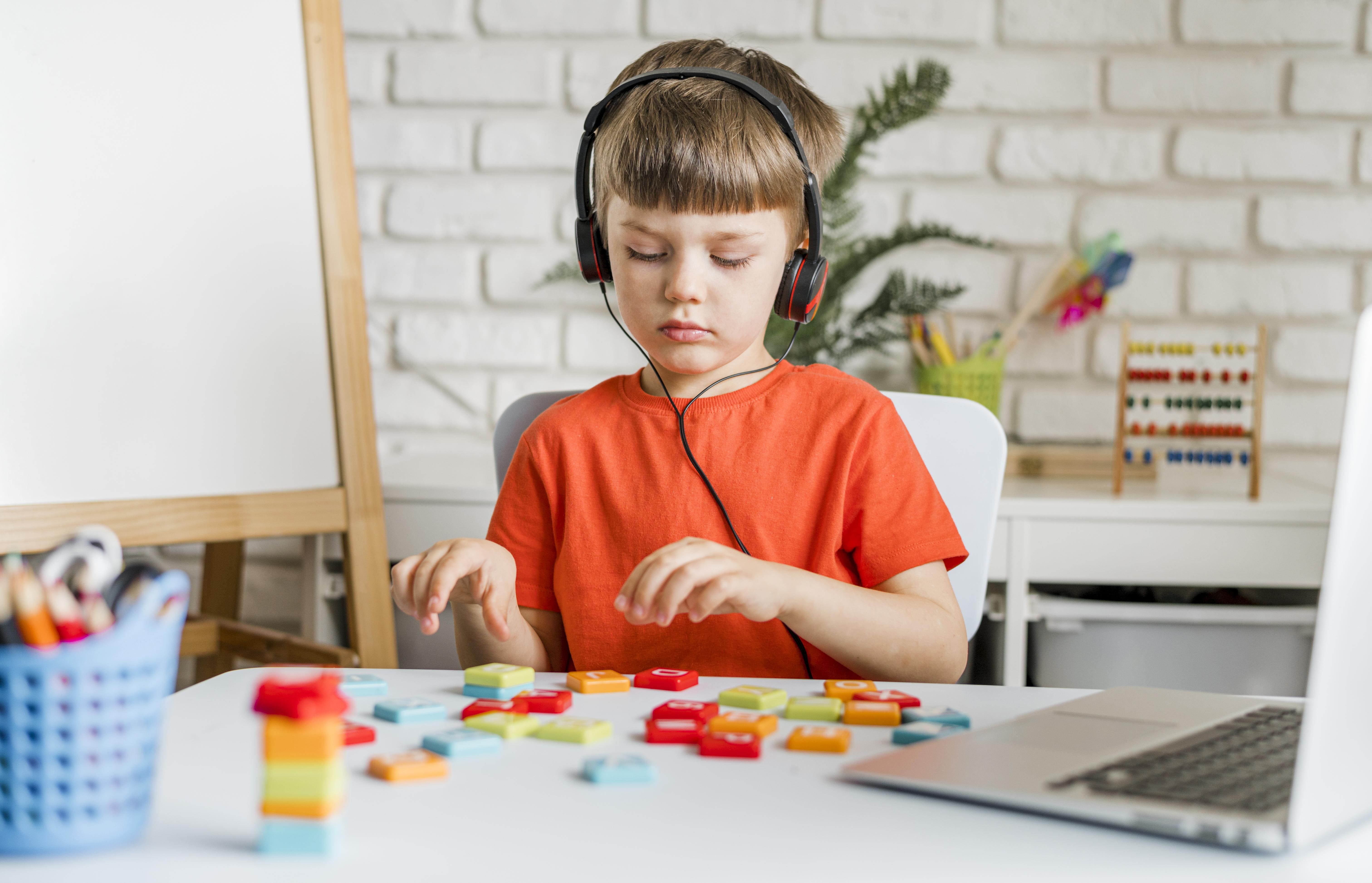
School Readiness for Autistic Children: Skills, Checklists & Timeline | Autizum
Beginning school is an exciting moment for all children -however, for families with children who are autistic it can bring anxieties, doubts and apprehension. Parents often ask themselves whether their child is ready to go to school? What are the skills we should concentrate on? How can we facilitate the transition? Transition planning for teens
Here at Autizum We understand that getting an autistic child ready for school is more than academics. It's about developing emotional, social, behavior, and daily life abilities. This is why we've developed this complete guide and checklist of school readiness for autism to guide you through this important transition confidently Transition planning for teens For more information, visit our learn more about School Readiness.
Understanding School Readiness for Autistic Children
school readiness is the term used to describe the set of abilities required by children to perform well in the classroom -which includes social communication, emotional regulation adhering to routines, and engaging with their teachers and classmates.
For children who are on the spectrum of autism, their the signs of readiness could differ. Some children can excel academically, but struggle with transitions and social interactions. Other children may require additional help to develop self-help or language skills. Early Intervention
The key isn't excellence, it's preparation and the focus should be on growth, encouragement and individual growth in the course of the course of time.
Why School Readiness Matters
A solid foundation of readiness skills can help children:
- Learn to adapt to environments that are structured.
- Participate in group learning activities and play.
- Develop confidence when communicating your the needs of your clients.
- Reduce the stress that comes with transitions.
With the right preparation and cooperation between parents, therapists as well as teachers, kids are able to succeed from the beginning.
In Autizum Autizum, our therapists utilize methods that are based on data to assist families to develop these vital abilities through individualized ABA Early Intervention programs.
The Ultimate School Readiness Autism Checklist
Each child's experience is different, however the following school readiness checklist for autism includes the most important developmental areas that can help to ensure that your child has a great education.
1. Communication Skills
- Can be able to express the most basic requirements (food or bathroom, need help).
- Utilizes gestures, words or assistive communication tools (AAC).
- Follows simple instructions and understands.
- Recognizes the name of the person and responds in a manner that is appropriate.
Tips: For children with little or no verbal ability, start by introducing visual aids as well as communications systems as early as possible -- something we incorporate in Autizum's ABA programs in order to develop functional language abilities.
2. Social and Emotional Skills
- Engages in peer and group games.
- You can rotate or share material with adult supervision.
- Learns basic classroom rules (sit or wait, hold hand, raise it).
- Basic emotional regulation (with the guidance of).
Social development is usually an ongoing process for children with autism. Engaging in role-playing, social stories and modeling for peers can greatly improve these abilities before the school year begins.
3. Cognitive and Academic Readiness
- Can discern letters, shapes or even colors (depending on the age).
- Engages in a short-term learning activity with focus and interest.
- Follows easy two-step directions (e.g., Pick up your bag, then sit in a comfortable position).
- Knows basic rules of the game, such as the process of lining up and waiting for turns.
While academic performance varies greatly and is dependent on readiness, it's more about learning to learn and developing attention as well as imitation and comprehension.
4. Self-Help and Independence Skills
- Can eat on their own or with a little help.
- You can use the bathroom without the prompting.
- Maintains essential hygiene (washing hands and wiping face).
- Adds shoes or backpacks, coats, or shoes with little support.
Confidence builds with independence. Develop these skills with regular practice and routines that are structured.
5. Sensory and Behavioral Readiness
- Can handle the group setting and moderate levels of noise.
- Utilizes tools to cope with sensory overstimulation (headphones and taking deep breathes).
- Remains calm and relaxed when stressed.
- Intervals between activities are triggered by visual signals or timers.
Autizum employs strategies to integrate sensory information within ABA therapy to aid children develop tolerance and cope mechanisms that are essential to being able to adapt to classroom environments.
6. Routine and Structure
- Knows the your daily routines and the expectations.
- The system adjusts to routine activities and changes.
- Utilizes visual schedules or task boards to stay on task.
Predictability can help autistic children feel safe. A home-based schedule that mirrors school routines can help aid in the adjustment.
Timeline: When to Start Preparing
It's never too late to begin preparing to be ready for the school year. The following timeline offers an overall guideline for parents and caregivers
Ages 2-3 (Early Intervention Stage)
- The focus should be on communication and tolerance.
- Begin to work on playing and mimicry skills.
- Introduce groups (playgroups as well as session for therapy).
Ages 3-4 (Preschool Transition)
- Develop strategies for emotional regulation.
- Follow short instructions for groups.
- Encourage early self-help and toileting habits.
Ages 4-5 (Kindergarten Preparation)
- Enhance learning and social routines.
- Learn to be independent in everyday tasks.
- Visit the school of your choice and meet the teachers prior to the start of the first day.
In Autizum Autizum, Our early intervention programmes are adapted to the developmental needs of your child with a structured goal as well as parental guidance to each stage.
How Parents Can Support School Readiness at Home
Parents play a crucial part in helping children prepare for success in school. This is how parents can assist:
1. Practice Routines Daily
Repetition can help children know what they can be expecting. Establish consistent morning, lunch as well as bedtime rituals.
2. Use Visual Supports
Visual cues, pictures cards, and timetables help to make the instructions more easy to follow and help reduce anxiety.
3. Encourage Independence
Have your child dress up, eating, and tidying up, even if it takes more time. Reward small successes.
4. Schedule Playdates or Group Activities
Social interaction helps to increase social comfort and decrease anxiety in the classroom.
5. Work with Therapists and teachers.
Maintain a constant communication with your child's therapist team as well as school personnel. Autizum promotes goal-setting that is collaborative to ensure seamless transitions between therapy and school.
Preparing Emotionally for School
Transitions can be difficult for both the child and parent. Here are some ways to make the transitions easier
- Go to the school prior to the scheduled time.
- Get to know your teacher and introduce your child with the classroom.
- Find out about the social aspects of the first day of school.
- In the future, gradually introduce short practice days prior to the date of start.
A healthy emotional state can boost confidence and gives a feeling of belonging, both of which are essential to achieving long-term success.
How Autizum Supports School Readiness
We are Autizum we are a leader in preparing children who have autism to be successful in school by:
- Personalized ABA programs focused on communication, social and independence.
- Coaching sessions for parents to enhance learning at home.
- Collaboration with teachers and schools to make seamless transitions.
- Sensory and visual integration tools for daily use.
Our goal is to help every child begin their education adventure with confidence, and excitement.
Conclusion
The process of preparing an autistic child to go to school is a gradual process that requires patience, perseverance and collaboration. Utilizing a well-organized checklist of school readiness for autism makes sure you're focusing on every essential skill -including self-help and communication to emotional and social resilience.
With the proper training and guidance from experts such as Autizum Your child will begin school feeling confident competent, confident, and prepared to achieve.
Frequently Asked Questions
Get answers to common questions about our ABA therapy services.