How to Create an Effective Home Behavior Plan With Your BCBA | Autizum
Discover how to create a structured home behavior plan using ABA principles. Autizum’s guide covers FBAs, replacement behaviors, reinforcement systems, calm-down strategies, routines, and family collaboration.
How to Create an effective Home Behavior Program Using your BCBA
Every parent hopes to create a peaceful, organized and safe environment where your child is able to thrive. Families with children who suffer from disabilities or autism the need for consistency between therapy sessions and family life is vital. This is where the household behavior management plan ABA (Applied Behavior Analysis) is required.
A home-based behavior plan can bridge the gap between the lessons your child receives in ABA therapies and the way these lessons are taught at home. It can help parents manage challenging behavior, teach positive alternatives and sustain gains outside of the therapy room How to create a For more information, visit our explore ABA Therapy.
Autizum We believe that the most effective therapy results occur in the context of parents working together with Board Certified Behavior Analysts (BCBAs) collaborate. This guide will help you learn how to design a powerful home behavior program with your BCBA in a step-by-step manner.
What is a Home Behavior Plan (HBP) in ABA?
A home-based behavior program A home behavior plan (ABA) is a bespoke method developed through the child's BCBA to tackle specific behavior that are causing problems, to reinforce positive behaviors, and help provide structure at home. Looking for a simple way to support your child’s ABA goals at home? How to create a proven reinforcement plan
It is built on ABA principles - in determining the role of the behavior (why it occurs) as well as teaching alternative behavior and using positive reinforcement to promote the development.
It includes the following:
- Specific behaviors that are targeted to decrease (e.g. aggression, tantrums or self-stimulatory behavior, etc.)
- Desired replacement behavior (e.g. soliciting assistance, using calm and polite words)
- Consistent responses from caregivers and parents
- Visual aids, routines, as well as reinforcement systems
Simply said simply, an home behavior program ABA transforms goals for therapy into real-world achievement.
Why is a Home Behavior Plan important?
Even though ABA sessions are essential but the progress doesn't stop once therapy is over during the course of the day. The environment at home is crucial to continuing to build and reinforce the skills learned.
Here's the reason a home plan is crucial:
- Conformity Reminds your child of what he is learning during therapy, while reducing confusion.
- generalization Lets kids apply the new abilities in real-world situations.
- empowerment: Gives parents the confidence to handle behavior more effectively.
- Progression Tracking It allows families as well as therapists monitor progress over time.
Autizum Autizum Autizum, our aim is to create a home that's an extension of our therapy environment that is positive, structured and supportive.
Step-by-Step Instructions: How to create an appropriate Home Behavior Plan with Your BCBA
1. Conduct an functional behavior Assessment (FBA)
Before you can create a behavior program before you can create a behavior plan, the BCBA performs FBAs prior to creating a behavior plan. FBA -- a thorough procedure to identify the reason certain behaviors are occurring.
An FBA analyzes ABC model: ABC Model:
- Origin: What happens before the behavior (triggers)
- Behaviour: The specific action or response
- Consequences: What happens after (reaction or result)
As an example:
If your child throws the toy (behavior) when you ask them to clean it up (antecedent) then you take away your toy (consequence) and then continue to behave, the behavior could continue as it allows your child to escape the responsibility.
Autizum's BCBAs utilize information obtained from FBA to develop behavior interventions that specifically target the root of the problem, not just the symptomsof difficult behaviors.
2. Determine Target and substitute behavior
Once the reason for your the behavior is clarified Your BCBA can help you define:
- The goal is to limit the behavior of: Such as yelling or hitting, or avoiding.
- Repetitive behaviors to help instruct: Such as using the card to communicate and asking for help or taking breaks.
The objective isn't just to stop behaviour however, but rather instead to substitute it with something that is more useful.
As an example: Instead of crying when upset Your child could be taught to say I need to take a break.
3. Choose Reinforcement Strategies
Positive reinforcement is the primary goal of ABA. It's about rewarding the desired behavior which makes it more likely that it will occur again.
Your BCBA can help you determine motivational factors that will work for your child for example:
- Verbal praise (Great job cleaning up!)
- Small rewards (stickers or tokens your favorite toys)
- Special privileges (screen time, outdoor play)
Autizum shows parents how to give consistent and effective reinforcement to encourage children to improve.
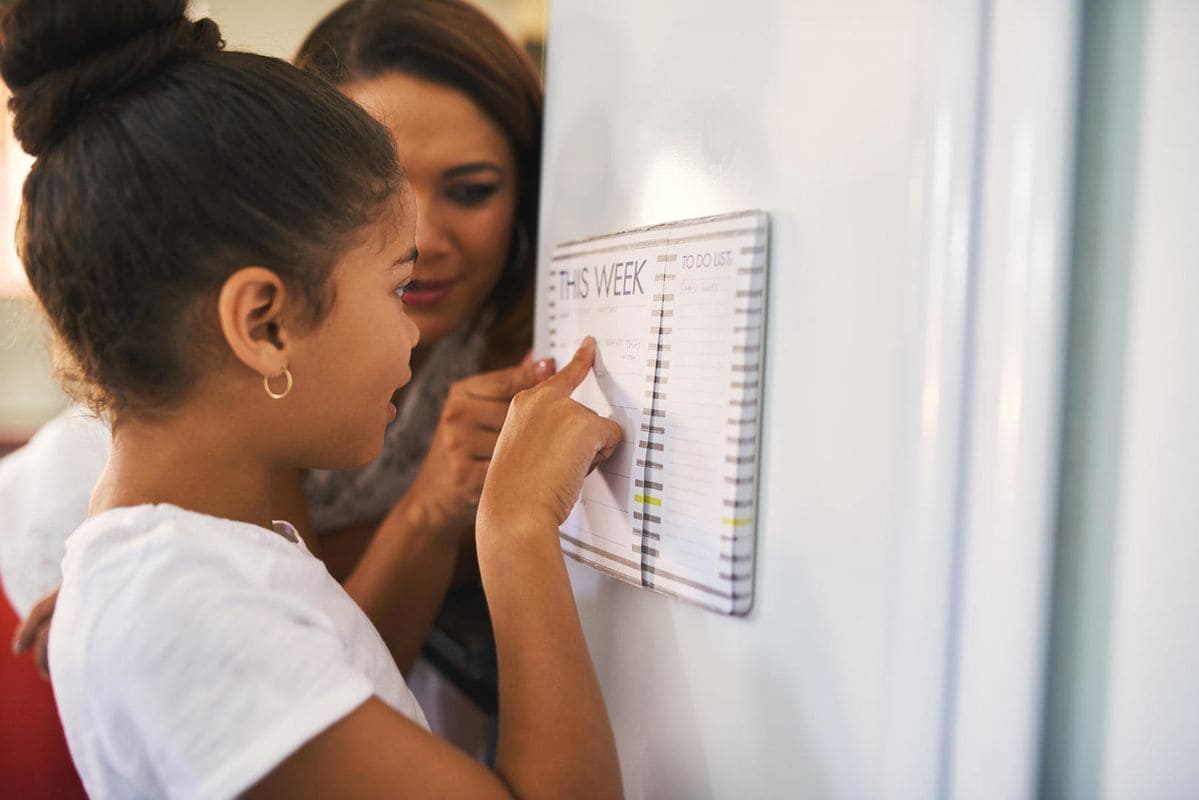
4. Create a clear plan and provide visual support
Predictability decreases anxiety and helps improve behavior. A good home behavior plan ABA includes:
- Routines for the day: Breakfast, work and bedtime routines define clearly defined expectations.
- Visual calendars Images-based graphs that indicate the next steps.
- Charts of behavior: Tracking progress and rewards.
Visuals are particularly beneficial especially for children who aren't verbally active or who are drawn to structure and clarity.
5. Develop a Calm-Down Plan
Every child has to deal with frustration. It's the difference in how they handle it.
Your BCBA can help you develop methods of calming to meet your child's emotional and sensory demands. Examples include:
- The specially-designed calm zone with headphones or soft toys
- Deep pressure (hugs and blankets that are weighted)
- Exercising your breathing, or playing counting games
- Sensory tools, such as fidget toys, stress balls or fidget toys
Autizum Therapists typically teach self-regulation as an essential ABA ability that helps children control their emotions before they become anger.
6. Participate in the Entire Family
Consistency is the keyanyone who interacts your child must follow the same guidelines.
Your BCBA could provide:
- Training sessions for parents
- Participation of siblings (teaching them to react to different behavior)
- Collaboration between caregivers (if grandparents or babysitters assist frequently)
In Autizum the involvement of families is an essential part of therapy. We ensure that every caregiver is confident and is supported to follow the treatment plan.
7. Monitor Progress and Make Adjustments Regularly
ABA is a treatment that is driven by data which means that decisions are made basing on research and not on preconceived notions.
Your BCBA will keep track of your the progress made by collecting information about:
- The frequency of behavior and the intensity
- Replacement behavior using substitutes
- The effectiveness of reinforcement strategies
If a particular approach isn't effective Your BCBA will alter the plan to suit your needs.
Autizum offers parents easy-to-use tracker sheets and digital tools that aid in measuring progress and sharing updates in real-time.
Tips to Be Successful at Home
- Keep calm and steady: Children pick up on their emotions. React not to them.
- Celebrate achievements: Every step counts regardless of how small.
- Do not punish: Focus on teaching rather than punishing.
- Request assistance: Reach out to your BCBA anytime you face challenges.
Remember that behavior changes take time, but persistence always results in a positive outcome.
The Autizum Difference
We are Autizum, we offer more than traditional ABA therapy We build relationships with families.
Our home behavior plans are:
- Individually designed: Based on your child's strengths, triggers and objectives.
- family-friendly Simple to grasp and apply, as well as adapt.
- Focused on outcomes: Supported by measurable improvement and periodic review.
We equip parents with the skills and confidence they require to effectively manage their children's behavior while fostering a nurturing family.
Conclusion
Making an home behavior plan for ABA together with your BCBA is among the most effective ways to introduce discipline, peace and growth to your child's routine. It will ensure that therapy doesn't be limited to sessions, but it continues in the areas that matter most at home.
We work closely with families to create every plan practical, heartfelt and individualized. Together, we are able to transform every day obstacles into opportunities to grow and achieve.
Frequently Asked Questions
Get answers to common questions about our ABA therapy services.