How to Help an Autistic Child Make Friends: Play-Based Activities | Autizum
Learn effective play-based activities to help autistic children make friends. Includes social scripts, turn-taking games, structured playdates, emotional regulation strategies, and autism-friendly social tips. A parent-friendly friendship guide by Autizum.
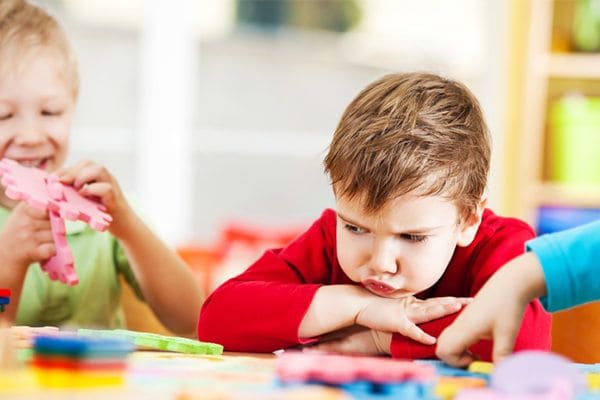
How to help an autistic child make Friends: Play-Based Activities - autizum
Friendship is among the most significant aspects of childhood. However, for a lot of autistic kids the process of forming friendships can be daunting and overwhelming. Social norms that come naturally to others may be uncertain, unsure and even overwhelming. But the good news is that with the right strategy as well as routines and environments parents can assist autistic children to make acquaintances in a manner that is warm, comfortable and fun. and know about How to Prepare for an ABA Intake Appointment
We are a firm believer in a strengths-based approach. Instead of imposing traditional social norms we are focused on helping children with autism develop connections through their interests, play and a structured approach to help. It is the language universally spoken spoken by children. It is also the basis to learning how to interact in a relaxing atmosphere that is free of pressure How to prepare for For more information, visit our Parent Training services.
This guide provides practical, play-based strategies rooted in ABA and child development and real-world experience. All of which are specifically designed to assist children with autism to make friends with their peers in meaningful, fun ways.
Why Autistic Children May Struggle With Friendships
Before embarking on strategies, it's essential to know the common issues children with autism might face: Manage Sensory Overload in Public Places
- It is difficult to discern social signals
- Limited shares of interests with peers
- Anxiety in groups
- Sensory overload
- It is difficult to initiate or maintain conversations
- The preference for parallel play is greater than interactive play
- Trouble with turning
- The challenges of emotional regulation
These issues don't not mean that children with autism cannot be social. They just require greater structure, patience and care.
This is the reason why play-based therapy works effectively in teaching social skills in a natural, gentle way and in a manner that is compatible with how children learn most effectively.
Play-Based Ideas to Help Autistic Child Make Friends
Here are the most efficient methods, supported by research, that employ games to increase social confidence.
1. Begin with your child's interests.
The simplest method to aid an autistic child in making acquaintances is to begin by focusing on the things they are already passionate about. Autistic children usually have strong interests like trains, dinosaurs, drawing animal and numbers, puzzles or games that are specific to them.
How to utilize interest:
- Invite your friends to join you in the same activities.
- Create a short playdate that is centered around your child's favourite game.
- Create a structured play plan (e.g. creating Lego sets, or drawing together).
- Promote excitement for all to share over the subject.
Connection is naturally developed when children are both interested in the same things.
2. Use Parallel Play as a Bridge to Social Play
Playing with children with each other and not in conjunction with the other children is common and is beneficial to their development.
Many children with autism feel safe by playing in a parallel manner as it helps them avoid emotional and sensory overwhelm.
Try activities such as:
- Coloring side-by-side
- Construction of Lego structures on their own, but within the same area
- Playing with Play-Doh
- Puzzles are being solved next to each other
When the child is at ease and comfortable, introduce gradually turnstaking or sharing of materials.
3. Teach Simple Social Scripts Through Play
Social scripts assist children to learn how to speak and how to act in social situations.
Some examples:
- Can I play with you?
- Do you want to take turns?
- I like your picture.
- Let's build together.
Utilize puppets, dolls or action figures for practicing the scripts while playing pretend. Keep it fun and repeat frequently.
In autizum we frequently use these games to help build confidence.
4. Practice Turn-Taking by playing games
Turn-taking is among the essential social skills to make friends.
Games that help turn-taking naturally
- Board games
- The ball is rolled back and forward
- Simple card games
- Block stacking games
- Memory matching games
- Bowling sets
The rules should be simple, easy to follow and uniform.
Be sure to reward turn-taking with praise or smiles. You can also reward it with a favorite game.
5. Role-Play Friendship Skills
Role-playing helps children develop real-world friendship skills in an environment that is calm and supportive.
Try imagining:
- How do you join an organized play
- What should you do when you're frustrated?
- How do you share toys?
- How do you leave the play respectfully?
- How can you convince someone to play with you? that is new
Keep the role-playing time short and fun. Be positive and have fun.
6. Set Up Structured Playdates
Unstructured playtime can be stressful for children who are autistic. Structures provide security and comfort.
To ensure that playdates are enjoyable:
- Make sure the playdate is short (30-60 hours).
- Select one or two easy tasks.
- Make sure your child is prepared by displaying a schedule.
- Avoid large, noisy groups.
- Set up separate areas to calm down if necessary.
Structure is safety and success.
7. Teach Emotional Regulation Through Play
The bond of friendship requires emotional flexibility, which includes staying in a calm state, sharing feelings and being able to understand the feelings of others.
Make use of play to teach these abilities:
- Emotion cards
- Feelings dolls
- Pretend-play problem solving
- Sensory play can regulate the process of social interactions
A child who is well-regulated is one who is socially prepared.
8. Use Social Stories About Making Friends
Social stories offer a simple explanation of what to expect from social situations.
A social tale of friendship could comprise:
- How do you say hello?
- What is the look of turning
- How can you invite someone else to play
- What do you do if a person refuses to cooperate?
- How can you share toys with respect?
You can make customized stories that reflect the interests of your child.
9. Join Autism-Friendly Social Groups
Activities for groups that are specifically designed for children with autism can be extremely helpful.
Consider joining:
- Autism playgroups
- LEGO clubs
- Social skills groups
- Sensory-friendly events
- Teams of sports designed specifically for neurodiverse children
These spaces let children be themselves without judgement or pressure.
How Parents Can Support Friendship Development Daily
In addition to the play strategies parents should:
- Demonstrate social skills in everyday life
- Narrate interactions (Look You shared your toys! That was very kind.)
- Encourage but don't force social engagement
- Encouragement even in the smallest attempts at communicating
- Develop flexibility through routines and games.
- Establish a predictable daily schedule
- Provide downtime after social events
Consistency is essential.
Conclusion
Making friends for children with autism is a process that's full of beautiful moments of growth, connection, and development. Play is one of the most natural and effective methods to aid autistic children in making friends as it builds the ability to communicate and empathy, turning-taking and self-confidence.
We are focused on giving parents the tools they need to be fun, and play-based strategies that transform everyday moments into learning opportunities. With the right help each child can build meaningful relationships that improve their lives and increase confidence in themselves.
Frequently Asked Questions
Get answers to common questions about our ABA therapy services.