Guide to Travel for Families With Autistic Children: Planning & Packing | Autizum
Traveling with an autistic child? Autizum’s guide covers step-by-step planning, packing essentials, sensory-friendly travel kits, choosing autism-friendly destinations, and managing routines for smoother trips.
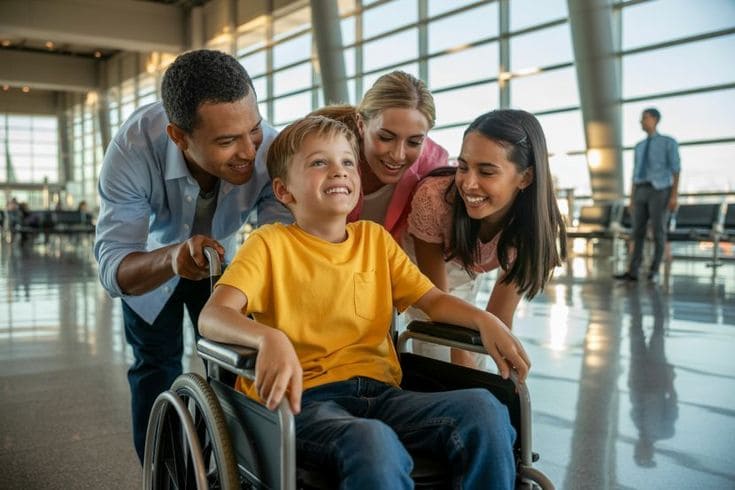
Guide to Travel for families with autistic Children Planning and packing | Autizum
Children's travel can be exciting as well as difficult. However, if your child is diagnosed with autism it requires additional preparation and careful planning. Changes in environments, sensory stimuli and changes in routine could create stress for children with autism and their family members. Start building better routines todayHow to create a reliable reinforcement system for home use
The best part? If you have the right preparation as well as the right structure and mental attitude travel can be an exciting opportunity for learning as well as bonding and excitement How to create a For more information, visit our Parent Training services.
We at Autizum we know the importance of stability and predictability are for children who have autism. This guide provides practical steps-by-step travel advice for those with Autism starting with choosing a destination to creating kits for sensory-friendly travel that will help you plan your trip with confidence and without stress.
Understanding Travel Problems for Autistic Children
Everyone with Autism sees the world in a different way and traveling can bring many social and sensory challenges that can be overwhelming. The most frequent challenges are: Manage Sensory Overload in Public Places
- Overloaded sensory: Noisy noises crowds and bright lights in hotels or airports.
- Changes in routines: Shifts in meal timings, sleep patterns, and the daily structure.
- The new environment: People, places that aren't familiar and smells.
- Fear of the transitions Making the transition from home to a car, plane or hotel could cause anxiety.
By anticipating these issues and putting together a strategy, you can help make it easier for everyone.
Step-by-Step Tips for Traveling with children with Autism
Here are the most efficient travel suggestions for children with autism collected from experts' tips and personal experiences which are shared by the Autizum autism-related support networks.
1. Get ready in Advance
The importance of preparation is to reduce stress and creating the foundation for predictability.
Create an image-based travel plan:
Use images or symbols to illustrate every step of the journey starting with packing and getting to your hotel.
View travel-related videos on YouTube:
Show your children YouTube videos or videos of short flights or airports. You can also show them your travel destination. This preview video can help reduce anxiety.
Make small excursions:
Take short trips during the day prior to larger trips to assist your child adjust to the changes in their environment and routine.
Discuss expectation:
Explain in plain language what you expect to see take place, who you'll meet and what experiences you might get.
2. Find a destination that is autism-friendly
Search for hotels and places which offer accessibility-friendly amenities like spaces for people with sensory issues, tranquil spaces and staff who are trained.
The most popular autism-friendly travel programs include:
- Beaches Resorts (Jamaica and Turks & Caicos): Accredited Autism Centers with trained staff with sensory training.
- Disney Parks: Offers Disability Access Services (DAS) to help you get a shorter wait time.
- Airports that have sensory zones: Atlanta (ATL), Miami (MIA), and Minneapolis (MSP) offer areas with quiet sensory zones.
Autizum is a family-friendly company. Autizum we urge families to contact hotels or airlines as well as parks ahead of time to discuss accommodation options specifically for your child's needs.
3. Make a plan for your transportation
If you are flying:
- Inform the airline of the needs of your child prior to your flight. A lot of airlines offer mock board activities to help children learn about airport procedures.
- Inquire about the privilege of pre-boarding to get settled in early.
- Take headphones that block noise as well as your favourite snacks to help ease stress.
- Sit your child comfortably near a window to reduce visual distractions.
If you are driving:
- Schedule regular breaks (every 1 to 2 hours) to allow for movement and the regulation of your sensory.
- Make a playlist of relaxing music or your favorite audiobooks.
- Be sure to keep sensory toys and other items you are familiar with.
4. Make Smart Packing Your Autism Travel Kit
The right packing supplies can be the difference between a successful or unsuccessful journey. Here's the important checklist of items to have for your autism travel by Autizum:
Essentials to ensure Comfort
- Lap pad or blanket that is weighted
- Your favorite pillow or stuffed animal
- Noise-canceling headphones
- Sunglasses and hats for bright areas
Snacks and Food
- Foods that are safe and recommended for your child loves
- Refillable water bottles
- Your child will be at ease with
Sensory and Entertainment Tools
- Fidget spinners, sensory glue or stress balls
- iPad or tablet that can play video or games that are offline
- Visual timers to indicate transitions
Documentation
- A copy of the baby's treatment or summary of their medical history
- Contact cards for your child that include their name as well as a diagnosis and emergency contact details
- A letter from your doctor describing the necessary accommodations
Tips: Keep these items in separate go bag to make them easy to access when traveling.
5. Use familiar routines whenever It's
Autistic children thrive with the structure and predictableness. Keep some the routines you have at home while traveling:
- Keep the same bedtime routines (reading books, or by using a blanket that you like).
- Make sure to stick to the same meal or times for snacks.
- Make use of digital or visual reminders for your daily activities.
Small consistency can give the feeling of security in a foreign setting.
6. Be prepared for Sensory Overload
Even the best-planned out trips could trigger sensory issues.
Here's how to manage them with calmness:
- Make use of to break your sensory routine: Step away to an area of peace or an area designated for sensory use if you have one.
- Provide items for comfort such as a weighted lap pad or a sensory toy.
- Try breath exercises as well as count exercises to ease anxiety.
- Make use of visually-based cues to teach your child to express their discomfort (Too too loud, Need breaks, All completed).
we help children learn self-regulation strategies by using ABA and other sensory integration techniques which families can employ any time, even on trips.
7. Engage Everyone in the Team
Prior to and during your travels Communicate openly with the travel personnel and service providers:
- Inform the hotel staff of your the needs of your sensory (like not allowing housekeeping at certain hours).
- Inform restaurant staff of food sensitivities, dietary restrictions or allergies.
- When visiting attractions, inquire whether they offer disabled passes or quiet accessibility times.
There are many organizations that will help if they are aware of your child's requirements.
8. Be flexible and celebrate wins
It's possible that travel doesn't always be perfect, and it's fine. The key is flexibility.
- If your child requires some downtime take a break from an activity, without guilt.
- Make small achievements such as taking a trip to a new restaurant or exploring a new area.
- Make sure to take lots of pictures and concentrate on the good memories.
Autizum Autizum we remind families that each travel event, whether large or small can build confidence, resilience and creates bonding opportunities.
Autizum's Way for Autism Travel Readiness
We believe that traveling is an essential type of experiential learning. Our therapists integrate the goals of community and travel readiness into ABA programs that teach children:
- How to handle the transitions
- How to follow the directions when in public areas
- How to deal with sensory changes in environments that aren't familiar?
We also provide parents training to help families implement these methods on their own when they are making plans for outings or vacations.
Conclusion
Traveling with a child who is on the spectrum can require patience, planning and a lot of flexibility however, it's feasible to have an enjoyable, relaxing experience. By following the best tips for traveling with those with Autism you can reduce the challenges, increase confidence and make lasting memories for your family.
Autizum is a place where you can relax and be at ease. Autizum we're here to assist families beyond the therapeutic room helping you embrace new adventures with peace and confidence. It doesn't matter if it's a weekend getaway or a trip to another country, the world is eager to be exploredby taking one step that is sensory-friendly at an time.
Frequently Asked Questions
Get answers to common questions about our ABA therapy services.