Social Skills Groups: What They Do and How They Help the Most | Autizum
Discover the benefits of autism social skills groups. Autizum explains how group-based learning improves communication, emotional regulation, confidence, and peer interaction for autistic children.
Social Skills Groups: What they Do and How They Aid the Most | Autizum
For children who have autism, learning to interact with others, take turns, or recognize social cues could be equally important as learning academics. These interactions every day form the foundation of independence and confidence but they're not always easily. Parent training in aba:
This is the point at which group of social-skills are a good idea. Through structured, guided exercises, children develop the ability to communicate, share and form lasting relationships in a safe real-world setting Parent training in aba: For more information, visit our explore ABA Therapy.
We at Autizum we've experienced directly how these programs can transform lives, not only by enhancing behaviour, but also helping children feel connected and part of a community. In this article we'll look at autism social skills groups advantages from, the lessons these programs teach, and how they have the greatest impact.
What are The Social Skills Groups?
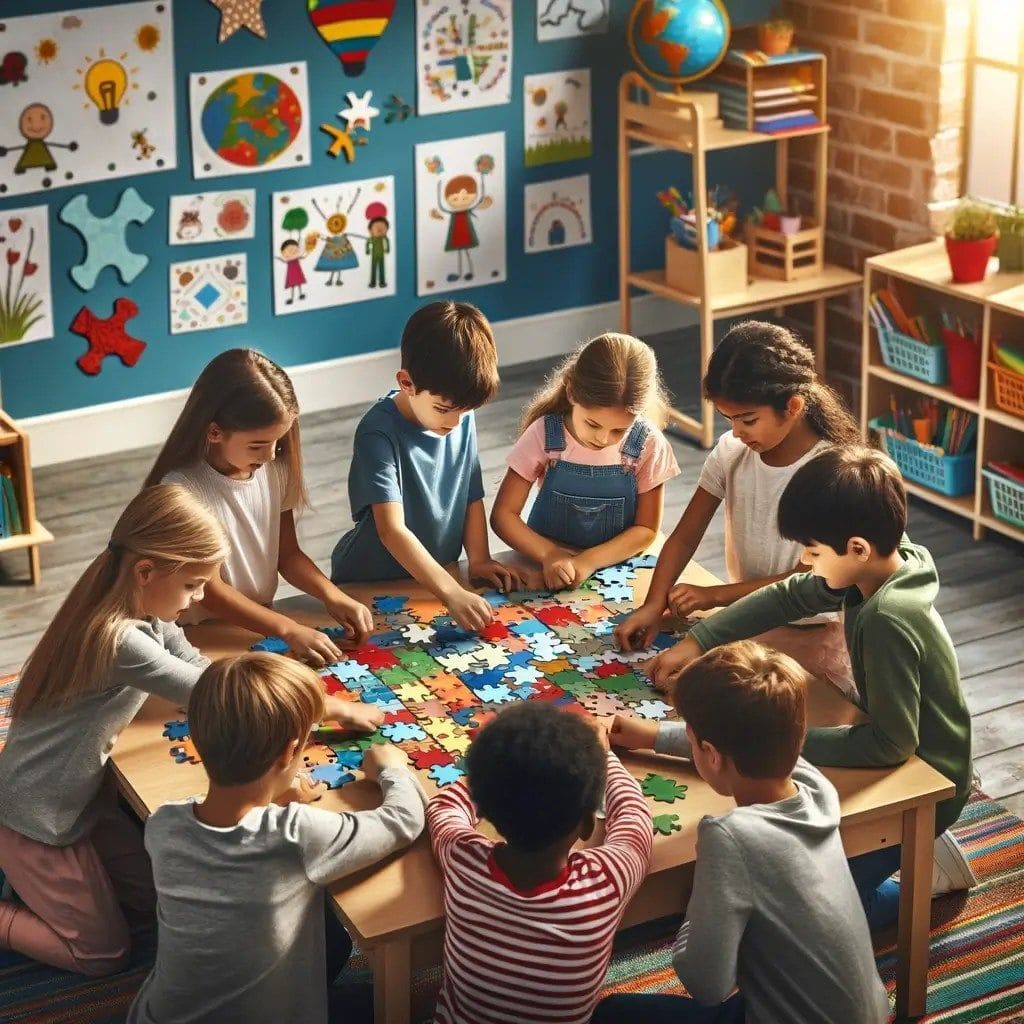
Social skill groups are organized therapy sessions usually conducted by Board Certified Behavior Analysts (BCBAs) Speech therapists, or counselors that are designed to help students develop communication skills, teamwork and problem-solving in social settings. communication skills
The typical group size is two to six participants with similar age and skill levels. Sessions are interactive, and incorporate games, role-play and realistic practice scenarios.
The objective is simple, yet effective: to help children with autism develop the social skills and confidence needed to manage their daily lives, from home to school to their community.
The Reason Social Skills Are Important in Autism
Social interactions can be a problem for many children with autism. The causes of difficulties could be:
- Tone of voice
- Social rules that you can understand (like turning over or sharing)
- Conversations that start and continue to be maintained
- The ability to manage emotions during group games or disputes
Without a targeted approach These challenges could result in isolation, frustration and anxiety. That's why structured social skill training is crucial because it breaks complicated behaviours into smaller, easily taught steps by using Applied Behavior Analysis (ABA) techniques.
In Social skills classes are a key component in our ABA programs. It gives children the opportunity to be in a secure, controlled environment to learn and develop.
Social Skills Groups Teach
Each group of social skills is designed to meet the needs of children at the stage they're in but the majority are based on a sequence of fundamental abilities. What children learn typically is:
1. Communication Skills
Effective communication is the foundation in social communication.
Children learn to:
- Begin and maintain conversations
- Answer and ask questions in a timely manner.
- Know how to read tone, gestures and eye contact
- Utilize non-verbal cues to communicate feelings
Group activities based on ABA in Autizum utilize prompting, modeling, and reinforcement to help teach these abilities naturally.
2. Emotional Regulation
The ability to manage emotions is crucial to ensure that peer interactions are successful.
Children are taught to:
- Name and describe the emotion (their own and the others')
- Utilize strategies to cope, such as taking deep breaths and calm corners
- React to disappointment or frustration in a timely manner
When children are able to regulate their moods, they are able to communicate and can problem-solve better.
3. Turn-taking and sharing
Games for groups and role-playing activities encourage cooperation and the ability to be patient.
For example:
- Board games can help children to take their time waiting for their turn.
- Art projects encourage collaboration and sharing of resources.
Instilling these behavior in a social setting will ensure that they are able to be replicated at school and at home.
4. The Art of Perspective-Taking (Theory of the Mind)
Children with autism may struggle to comprehend other people's thoughts or feelings.
Therapists use stories, video modeling and what do you think? scenarios to teach empathy and understanding essential elements of social success.
5. Social skills and Problem-Solving
In groups with more advanced levels the children will learn:
- They introduce themselves
- Peaceful resolution of conflicts
- Requesting to be a part of an activity group
- Recognizing personal boundaries
We at Autizum We are a company that focuses on creating confidence and a sense of security and not achieving the pursuit of perfection. Every achievement regardless of how small, serves as a base for the next growth.
Social Skills Groups Autism Benefits
Participating in a social group that is structured offers benefits that are both immediate and lasting. Here are a few of the most potent social skills that autism groups offer. advantages families are aware of:
1. Real-World Experimentation
Children do not only speak about social skills, they play these with their peers in real-time. This helps transfer lessons learned in therapy into daily life.
2. Improved Communication
Through repetition and encouragement, children can learn to communicate their needs and ask for assistance, and participate in conversations confidently.
3. Stronger Emotional Intelligence
When they learn to recognize their emotions and regulate their own children are less likely to have meltdowns, and more positive relationships with peers.
4. Greater Confidence
Achieving success in small-group environments boosts self-esteem and inspires children to try new social activities beyond therapy.
5. Reduced Isolation
Many parents report that their children become the first true friends through social skills groups. Making these connections can dramatically improve the quality of life as well as mental well-being.
6. Positive Parenting Results
Parents often see improvement at home, which can include more harmonious family interactions, greater co-operation, and greater independence.
We at Autizum we see social skills classes as fun and therapeutic a space that children learn through fun, cooperation and connections.
When Do Social Skills Groups Help Most?
Social skill groups can be beneficial for every level of growth however certain times could be more beneficial:
The Early Intervention (Ages 3 to 6):
It is ideal for teaching basic play, communication and sharing skills.
Basic Year (Ages 7-12):
Concentrate on cooperation, empathy and solving problems. This will help you avoid social anxiety and rejection by peers.
Adolescence (Ages 13+):
Develops practical skills, such as teamwork perspectives, teamwork, and boundaries in social interaction. Teens also practice relationship-building and self-advocacy essential for high school and adulthood.
Autizum Autizum Group placements are carefully selected according to the child's age, their skill level, and therapeutic goals to ensure that they can learn easily and efficiently.
How Autizum Builds Effective Social Skills Groups
Our methodology is a blend of ABA concepts with real-world experience and individual focus.
Here's what makes Autizum from the rest:
- small groups with individualized instruction
- Progress tracking based on data by BCBAs that are certified
- Learning that is natural through conversation and play
- Sessions of feedback from parents for reinforcement at home
- Collaboration with the schools to ensure uniformity
We believe that social growth occurs when children feel loved and cherished for being who they are.
Guidelines for Parents on how to Help Reinforce the social skills at home
- Social behavior models: Use greetings, eye contact, and polite speech.
- Encourage playdates Sessions that are short, well-structured which have clearly defined expectations.
- Make use of images: Picture cards or social stories can help explain the nature of interactions.
- The goal of praise: Celebrate every social accomplishment, regardless of how small.
- Keep it constant: Reinforce the same strategies your child employs when they are in therapy group.
We at Autizum we train parents to become active participants in their child's social development.
Conclusion
The development of social skills is an ongoing process. For children who have autism, a structured program can make a huge difference. Social skills groups offer the practice, tools and confidence that children require to communicate, connect, and excel.
Knowing the social skills that autism can benefit can help families make informed decisions on the best time and place to begin.
We at Autizum we're dedicated to helping children acquire social skills, but also have fun socializing turning daily interactions into lasting friendships.
Frequently Asked Questions
Get answers to common questions about our ABA therapy services.